

Just Start
What are the things that you’ve always wanted to do? How many brilliant ideas have you had that haven’t gone anywhere? These can include a new business idea, a new project or even a small change in something you’re already doing. Many of us have a long list of things we’ve always wanted to try but never do because we’re waiting for the right timing or the perfect moment. Our advice is to review your long list, rank them in order of your preference, and prioritize the ones at the top. Whatever is at the top of your list, just start. You don’t need to do the full thing right away. You can break it down into smaller task. But at least take the first step to get it started. Don’t think to much. Just start.
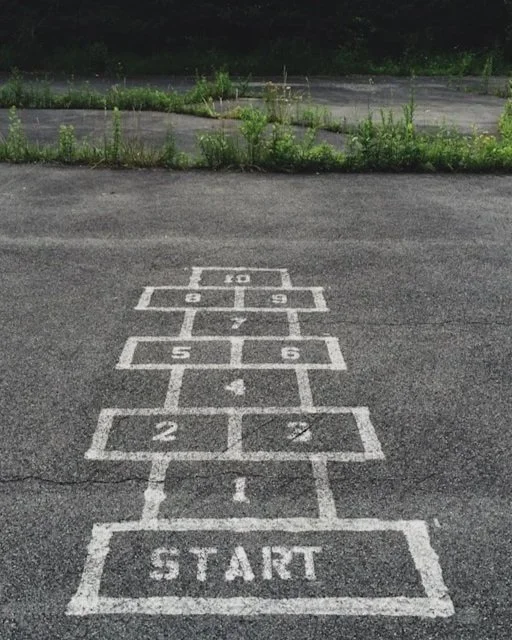
Image by Jon Tyson
Learning Happens Through Action
When we start something new, we rarely have all the information we need. Many times, we make assumptions based on the worse case scenarios. Some of those assumptions will be correct, and others will not. You would be surprised how often it turns out much better than what you imagined. This initial phase of making assumptions not a problem, it’s part of the process.
Taking action creates information. Each step reveals something new that helps us adjust our approach. Without that experience, we are simply guessing. That is how many things get done. We start with minimal information, we adjust along the way, and stuff happens.
For example, our team spends weeks designing the perfect productivity system for a client. We research apps, create categories, and build detailed plans for how their materials will be organized. But until they actually use the system in their daily life, they cannot know if it truly works for them. Once they begin using it, they quickly discover what needs to change. And we happily make the changes for them every time. Progress does not come from perfect planning. It comes from trying, learning, and adjusting.
Small Adjustments
Many successful systems were not perfect when they began. They improved gradually through small changes over time. When someone is developing a new habit, starting a project, or organizing their responsibilities, the first version rarely stays the same. It evolves as new information becomes available. A plan that changes over time is not a failed plan. It is a plan that is responding to reality.
Many of us delay starting something new because it’s scary and we want the plan to be perfect. We want the perfect system, the perfect timing, or the perfect set of circumstances first. On the surface this sounds reasonable. After all, careful planning can help us avoid mistakes. But in practice, waiting for complete perfection often prevents any progress at all.

Image by Kind and Curious
Perfection is appealing because it promises certainty. If we could design the perfect plan from the beginning, then everything would unfold smoothly. Unfortunately, life rarely works that way. Plans that look flawless on paper often change the moment they meet reality. Everyone has a plan until they get punched in the face with reality. The truth is that many things can only be understood after we begin.
Progress Over Perfection
Instead of aiming for a perfect beginning, it can be more helpful to aim for a beginning that is good enough. From there, progress becomes possible. Each adjustment improves the system and brings it closer to what actually works.
This blog has been a place to reflect on productivity, organization, and personal growth. For the time being, we will be taking a pause from publishing new posts while we focus on other priorities and explore new ideas. We hope to return here in the future with fresh perspectives and more topics to share.
Until next time, stay balanced!